Overview
Tesco
How we keep a major UK supermarket’s brand fresh by managing the maintenance, replenishment, and new concept development for over 100 sites annually.

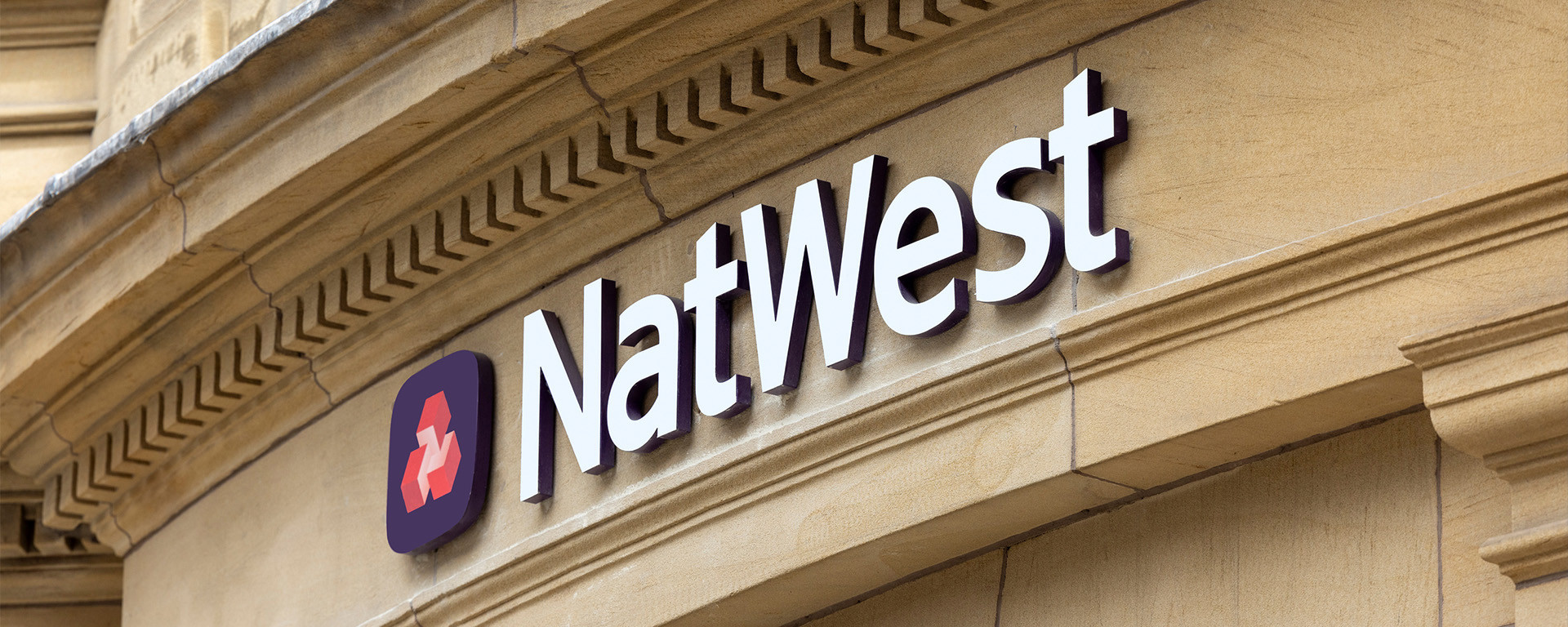
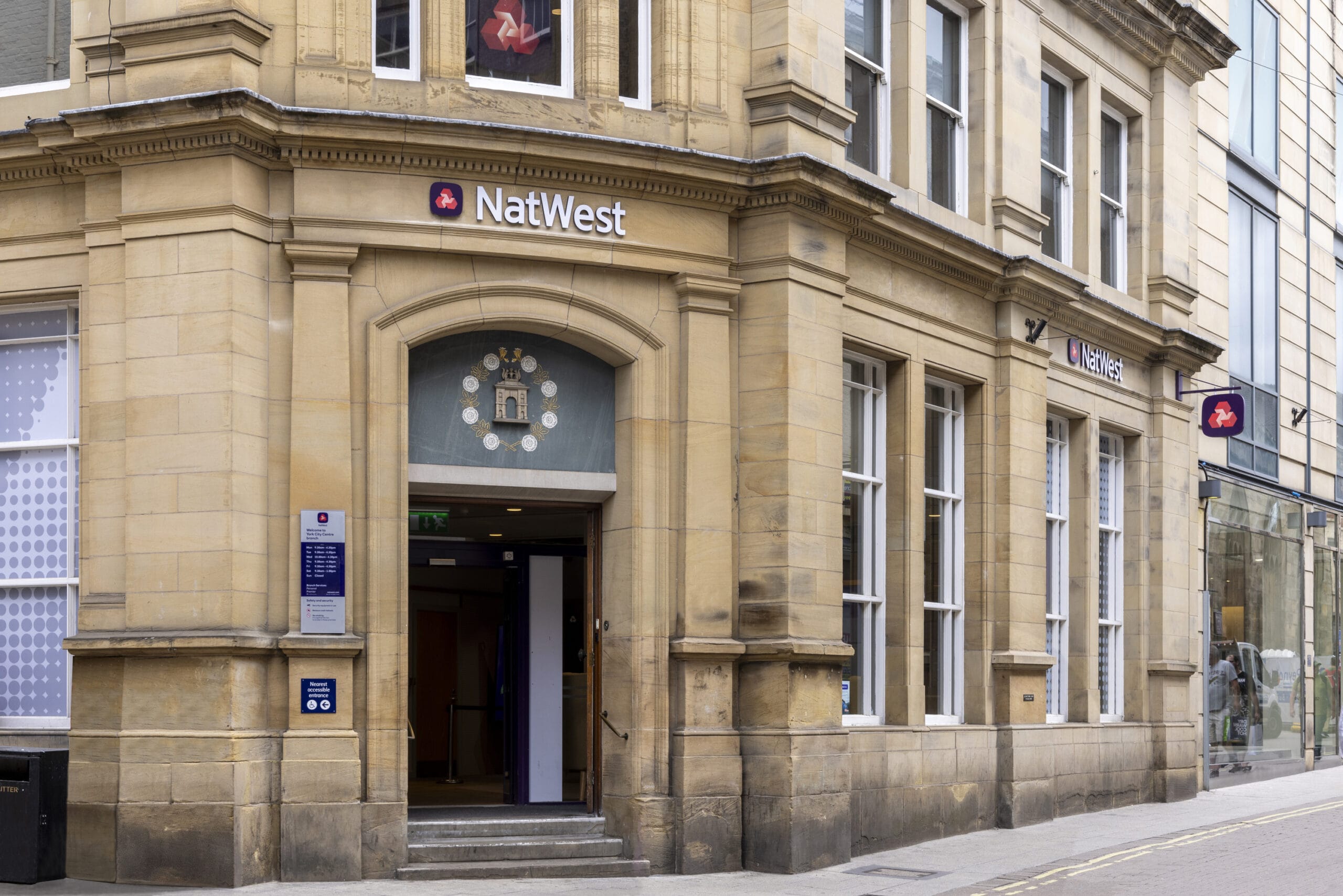
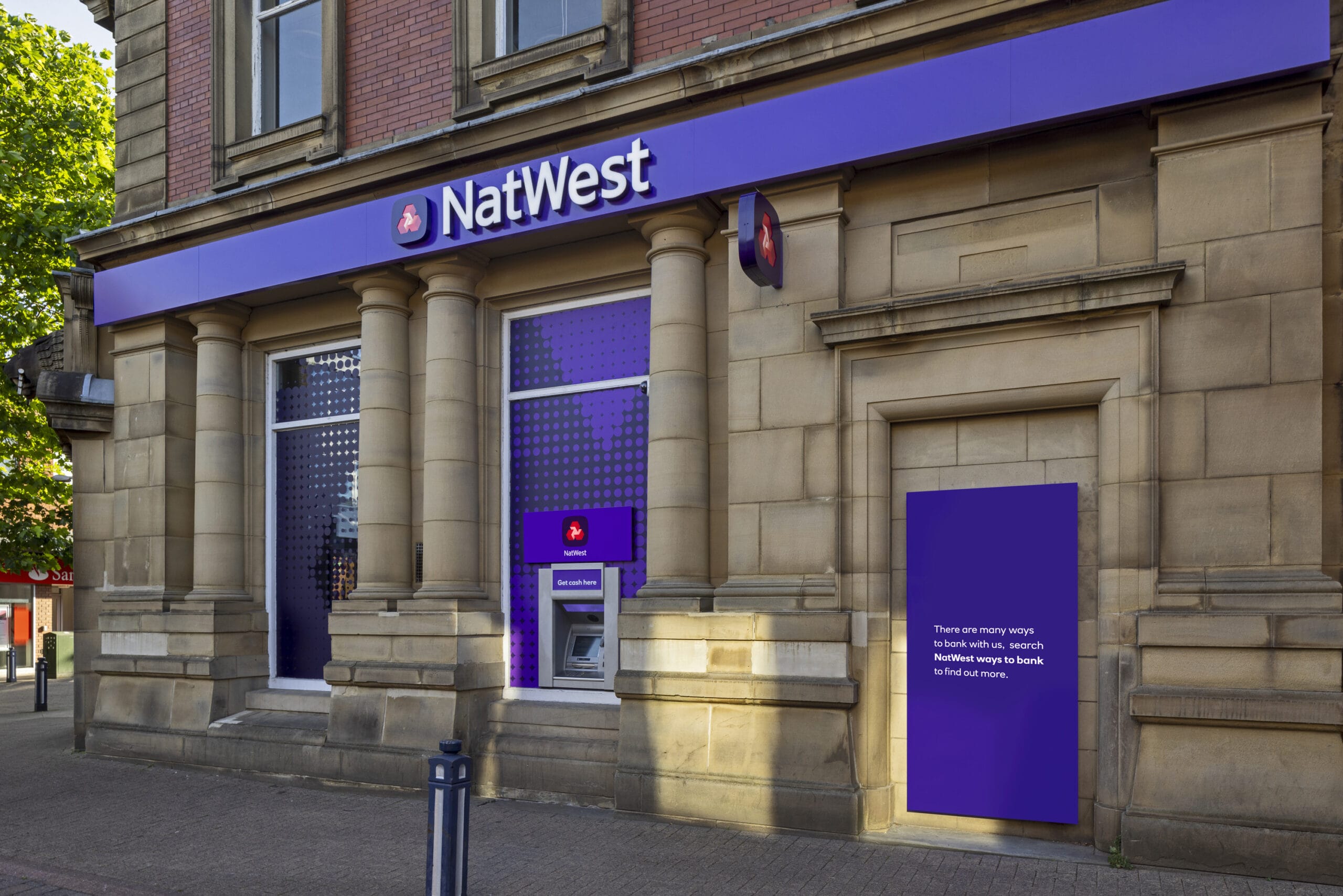
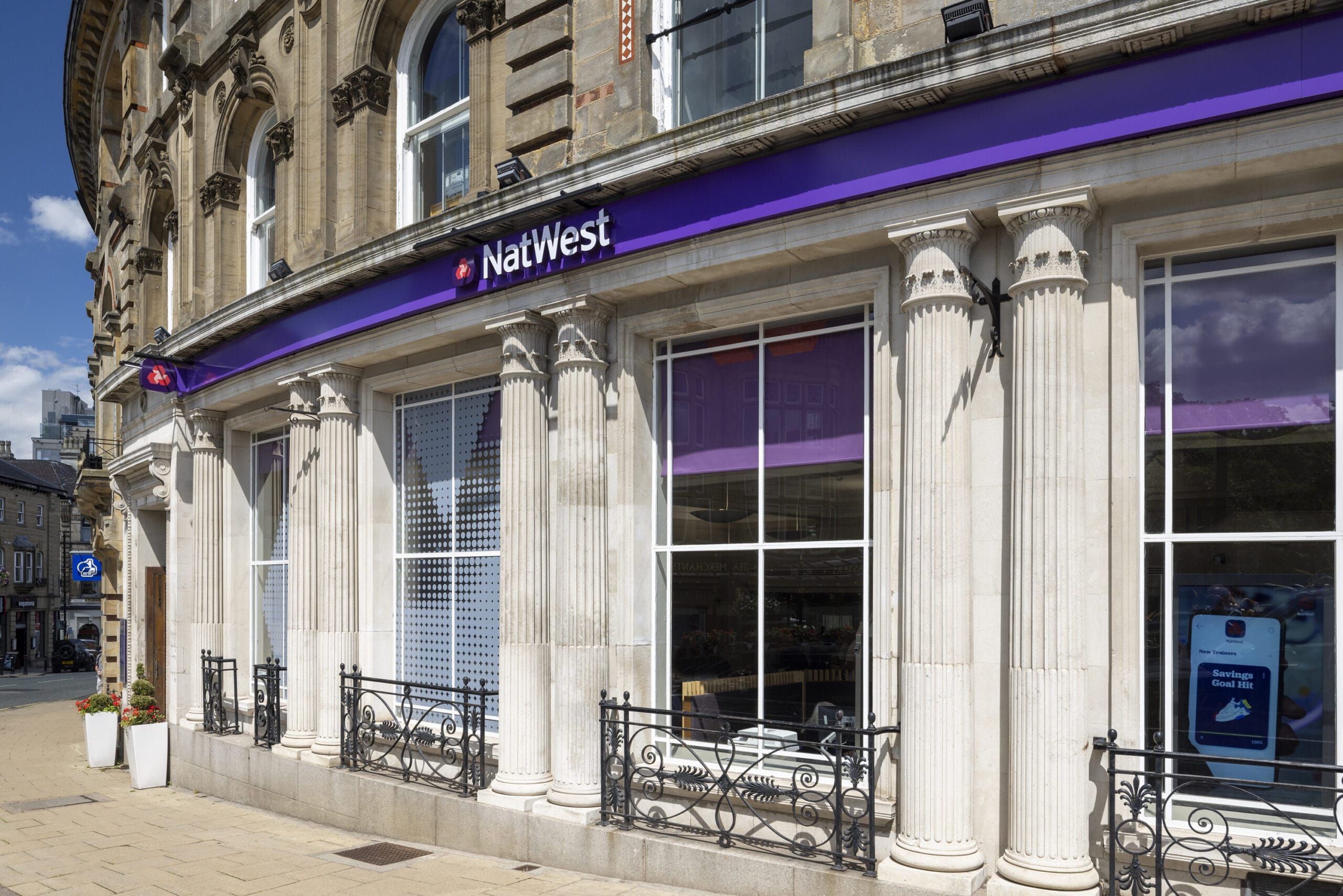
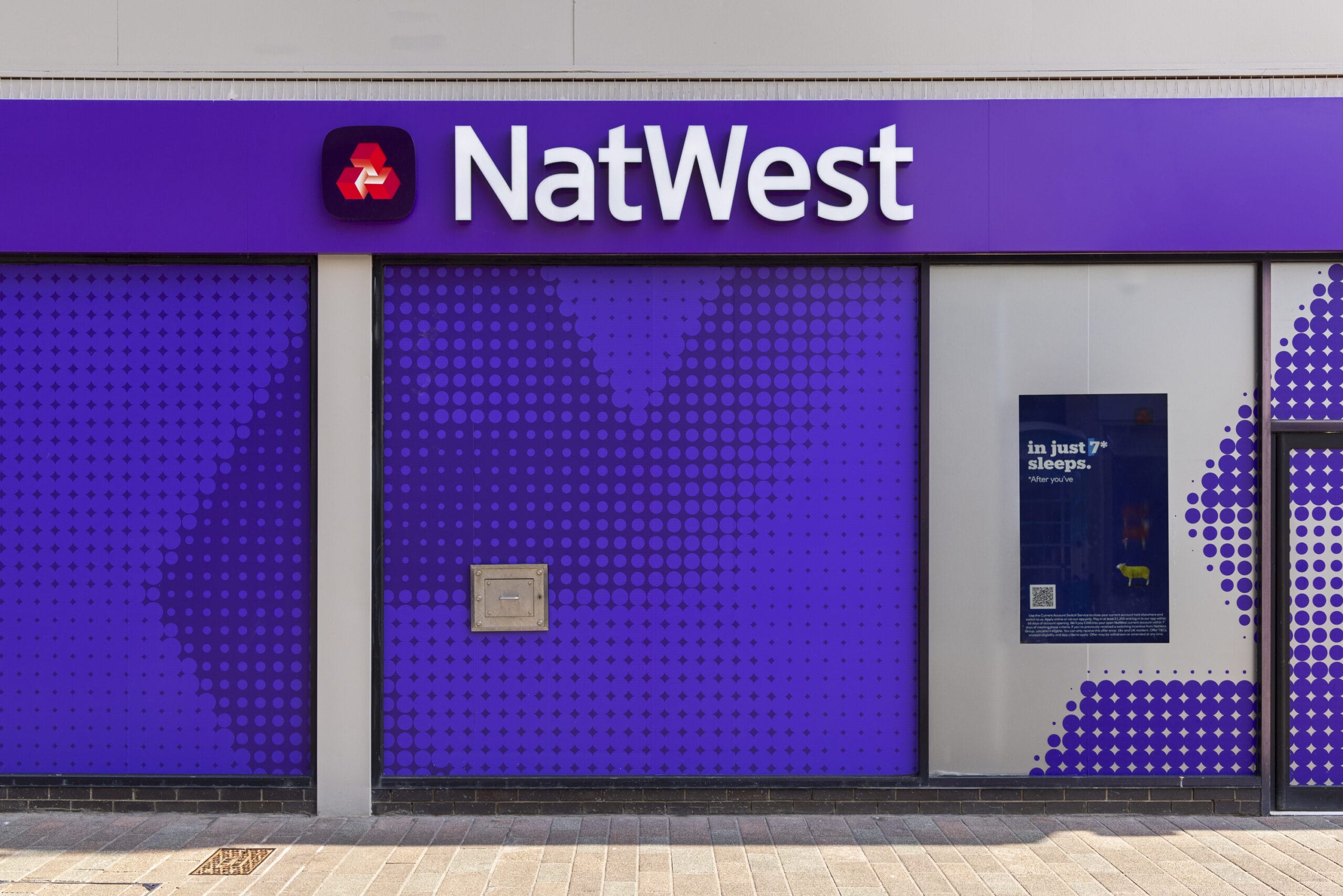
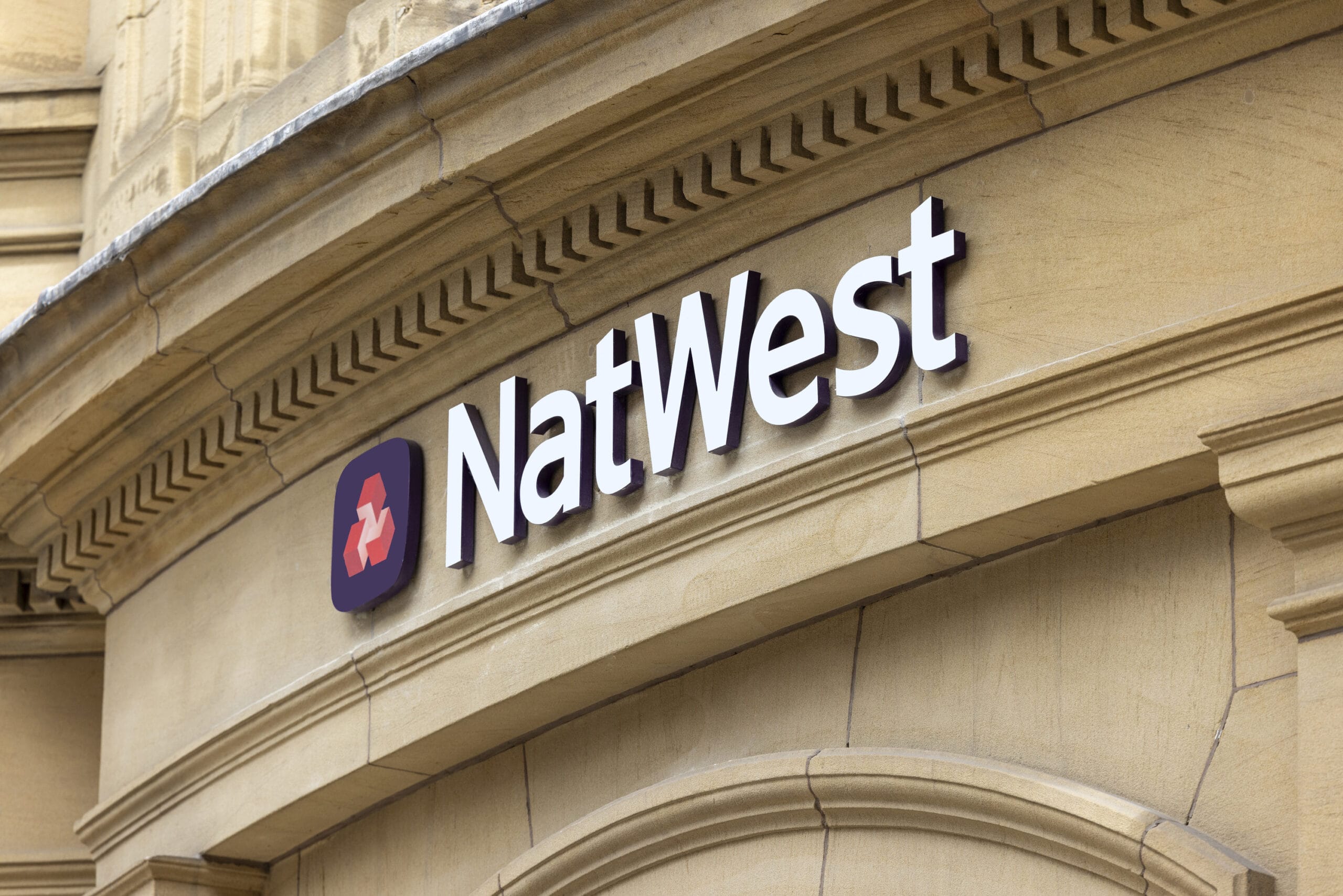
We cut NatWest’s signage energy consumption by 54% and proved that sustainable brand implementation is both achievable and genuinely cost-effective. This result reflects our wider approach to sustainability, from material selection through to energy-efficient lighting.

Overview
As one of our existing clients, NatWest approached us with a challenge to help them devise a new, sustainable approach to the next iteration of their signage roll out across their UK estate of branches and offices.
Two of the biggest fears of any environmental project is the assumption that going green is expensive, and that the green credentials of certain materials are not quite what they claim to be.
For NatWest our challenge was to conduct a forensic cost-benefit analysis of choosing one set of materials over another, and to review their suitability in terms of functionality, visual aesthetics and durability.
In our initial engagement process with NatWest’s production and design teams we:
Reviewed existing engineering designs for sign graphics
Held idea generation sessions with our production and design teams
Engaged our external supply chain for material innovations
Investigated environmental claims about materials (such as pre-recycled content)
Discovered improvements to both materials and processes.
Cost savings analysis on sample selection of NatWest branch signs
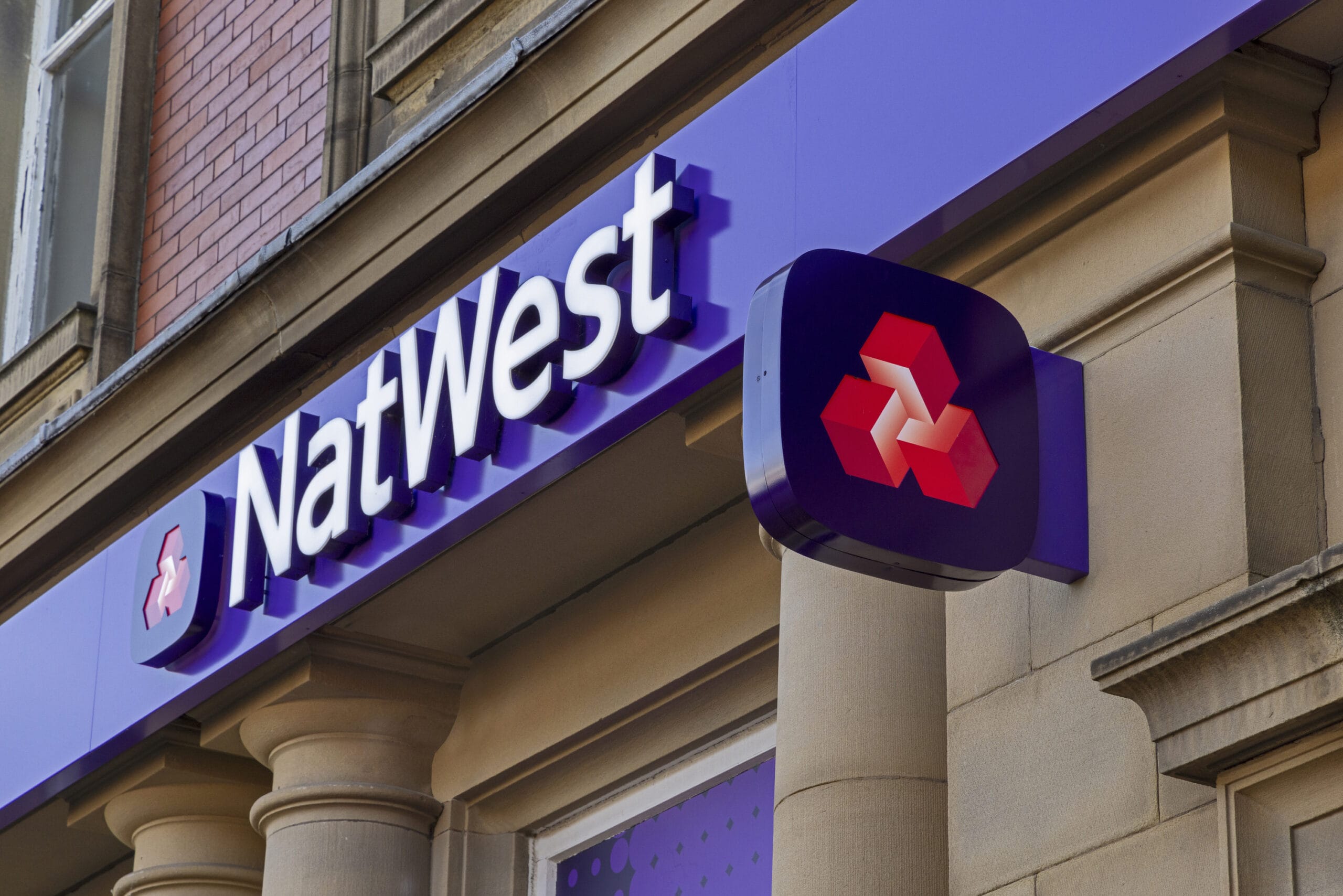
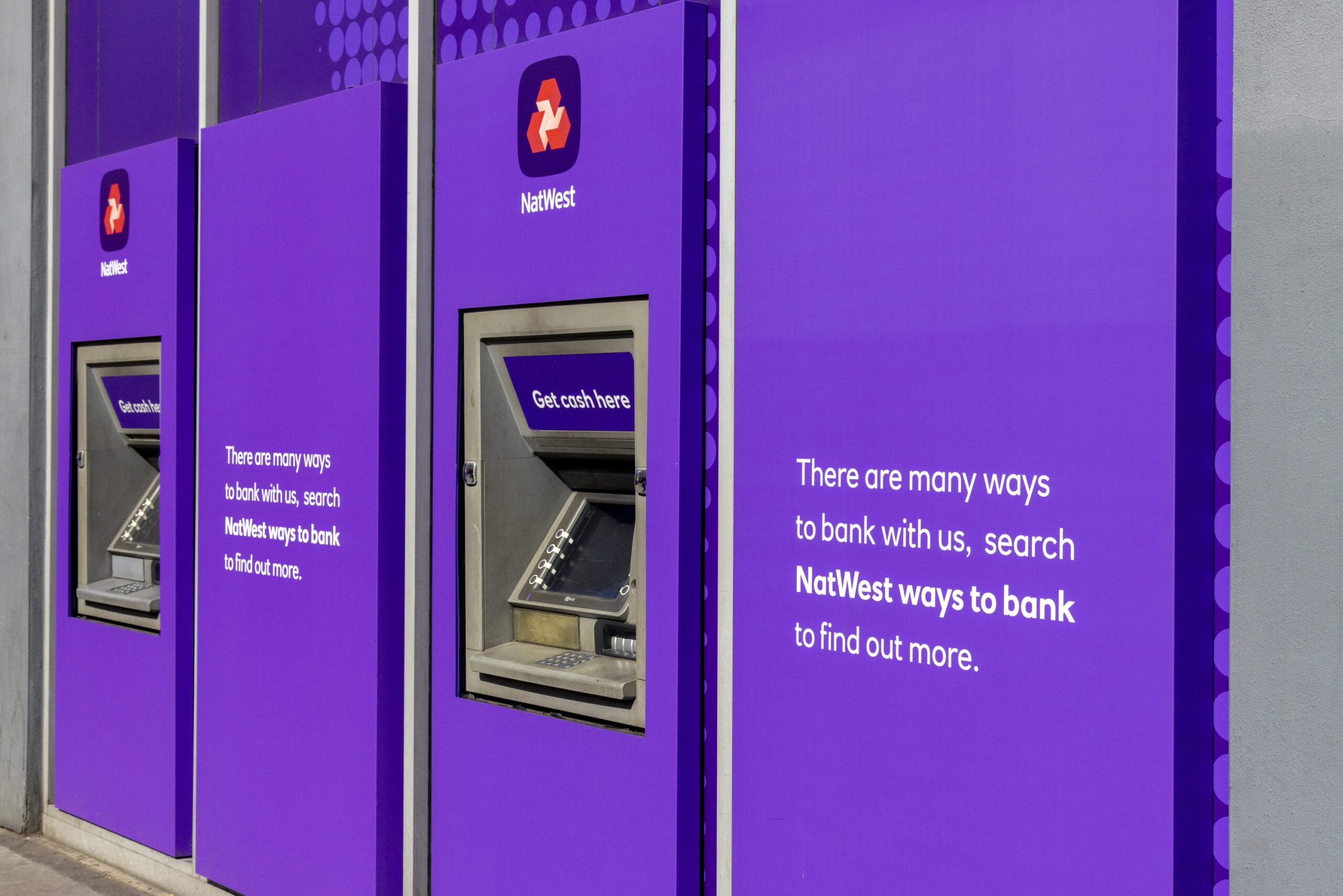
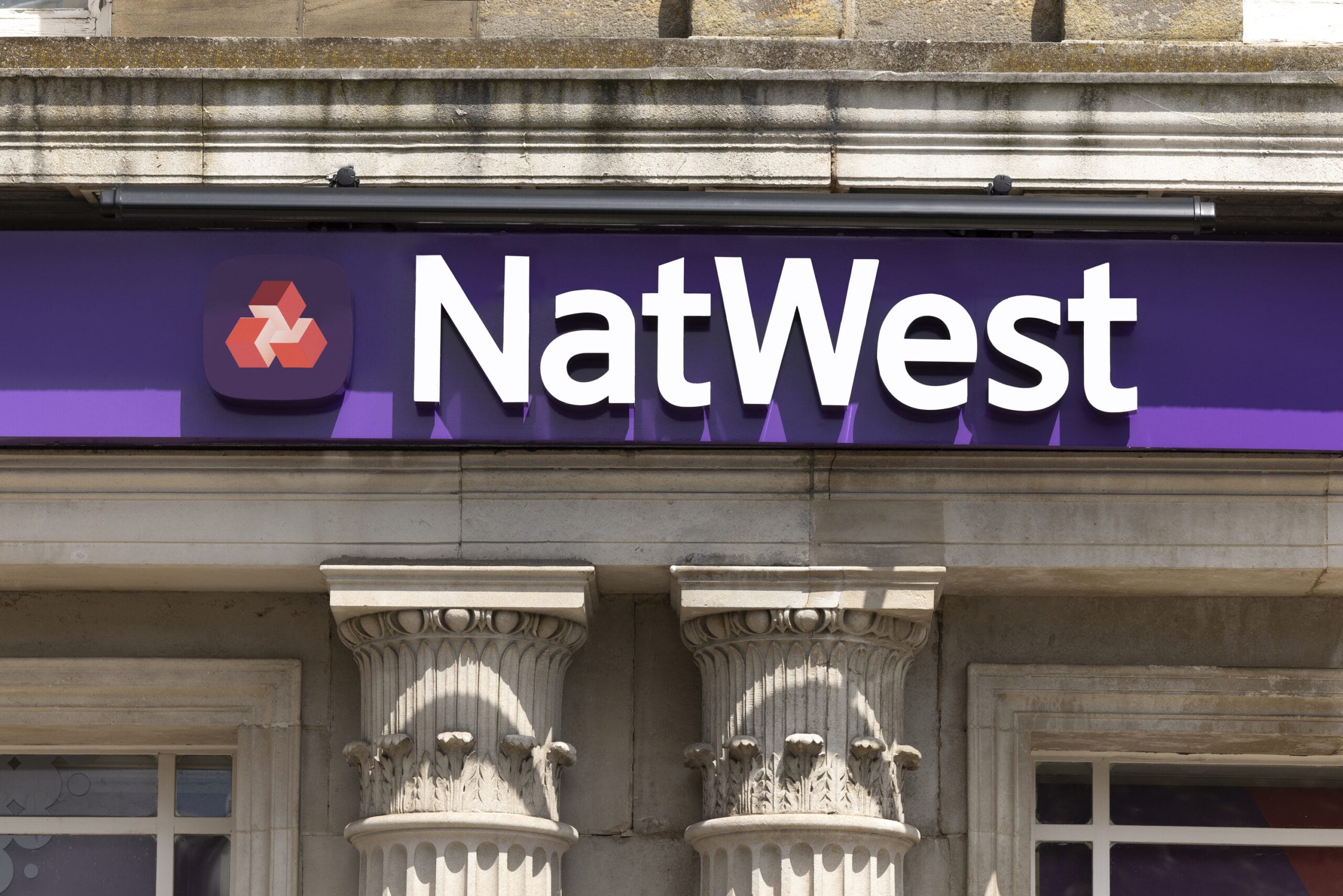
Arriving at the best design solution, one that balanced cost efficiency with environmental objectives, led us to focus on a few sample branches within the NatWest network. We were able to review the function and suitability of materials for different signage elements – ranging from branch fascias and ATM surrounds to internal signs and window graphics.
To achieve this we produced a range of prototypes to test their material resilience, a process which enabled us to identify what worked well, and what was less effective. Again, we were weighing environmental benefits against material performance and durability.
Sustainable sign solutions that proved effective
With green cast acrylic we were assured of its environmental credentials by its independently-assessed Environmental Product Declarations, plus it gave the same visual like-for-like swap with conventional materials, with just a minimal cost increase.
Aluminium composite sheeting also emerged as a favourite thanks to proven video evidence of its genuine repurposed origins from recyclers and its ability to be manufactured bespoke in the NatWest corporate purple with no need for additional paint or full vinyl. Plus it could be used for a variety of signage.
A cost effective UK-wide solution
Given the scale of NatWest’s sign roll-out, it became clear a hierarchy of signage priorities needed to be developed. With certain branches having a lower footfall, or other locations having more strategic reputational significance, we needed to identify how we could achieve further cost savings by prioritising which locations warranted either our new source materials, or repurposed existing letterheads.
Our Gold, Silver and Bronze hierarchy meant we could deploy tactical upcycling for less prominent properties across their estate (without diminishing the quality and value of the brand), while installing the full extent of the new sign assets for major branches and regional, head office locations.
Exploring sustainable corporate design on the scale required by the NatWest group enabled us to look at the “closed loop” lifecycle of both materials and processes. “Closed loop” is a term that refers to how a source material’s usage is tracked from its origins through to its initial use, then subsequent re-use as a recycled product. This audit trail gave us the chance to look at how we could make an impact on their budgets, as well as address their core issue of being able to measure the true environmental impact of their sign roll-out programme.
Significantly, over the whole estate our switch to more energy efficient LED lighting led to signage energy consumption costs falling by 54%, and we actually believe more savings can be achieved.
Conclusions
Working with the NatWest group on this ambitious project has shown us that a sustainable approach to signs is an achievable reality through a painstaking cost-benefit analysis of materials, and prototyping proposed solutions in real-life settings. Our painstaking evaluation and prototype production process was time consuming, but it was an important investment in understanding our processes, and testing the integrity of the green materials that we were hoping to use.
It also proved that genuine cost savings can be made, both in material choices and energy consumption. And it serves to demonstrate that repurposing existing redundant letter sets is a smart tactical move that, within the wide mix of new and recycled materials, enables companies to make tangible savings on brand implementation programme across a substantial retail and office estate.
Another great outcome from this project was that we secured highly respected green credentials from the following:
Our work with NatWest is a great example of the collaborative approach we take with our clients. While scale and efficiency are important elements that we can bring to any brand activation, the key focus of every project is to create a sign rollout programmes that can be measured for a wide range of performance outcomes – sustainability being just one of them.
How we keep a major UK supermarket’s brand fresh by managing the maintenance, replenishment, and new concept development for over 100 sites annually.
The 3-month corporate signage challenge that proved rapid, sustainable brand implementation and immediately earned two contract extensions.
Long-term partnership ensuring seamless, high-level brand implementation and consistency across UPS’s entire UK logistics hub network.